
Are Surprise Phishing Tests Required by Compliance Standards?
Phishing simulations do not need to rely on surprise or “gotcha” tactics to meet compliance requirements. A more effective approach focuses on learning, behavior, and real preparedness.
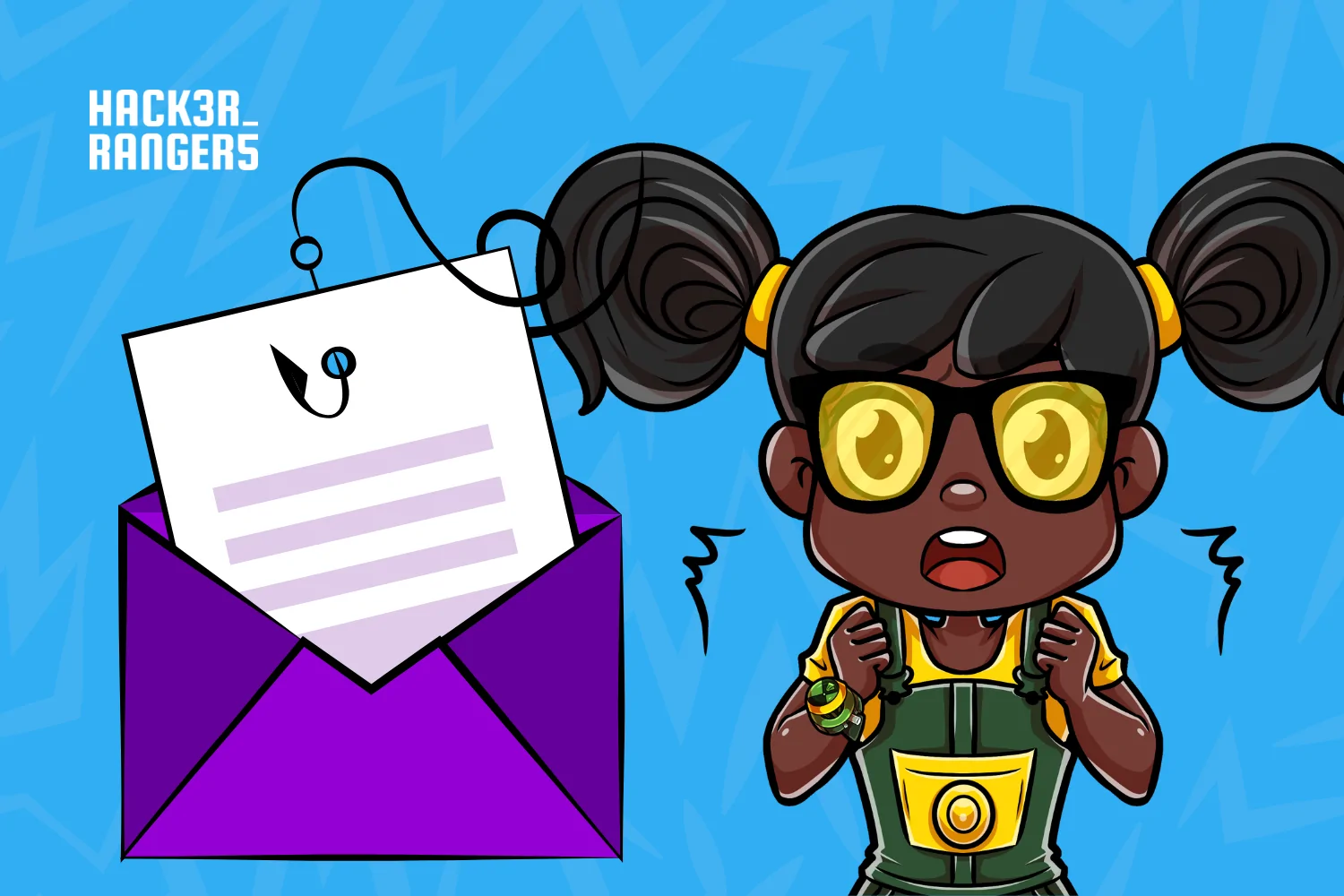
Many organizations still believe that phishing simulations must be a surprise, deceptive, and designed to “catch” employees off guard. This assumption is often justified by compliance requirements, but is it actually true?
The short answer is no.
While frameworks like FedRAMP, NIST, and ISO 27001 do require organizations to assess how employees handle phishing attempts, they do not mandate surprise-based or punitive simulations. Still, the misconception persists and it’s leading many companies down the wrong path.
Where the confusion begins
Compliance frameworks are clear about what needs to be achieved, but not how to achieve it. They emphasize the importance of testing employees’ ability to identify and respond to phishing, but they don’t prescribe the format of these simulations.
There is no clause requiring phishing campaigns to be unannounced, emotionally manipulative, or designed to trick users. Even so, many organizations interpret compliance as a need to “test people when they least expect it,” turning simulations into high-pressure traps rather than learning opportunities.
What are we really measuring?
At its core, a phishing simulation should evaluate whether employees can recognize and respond appropriately to a threat. However, when simulations are designed as surprise attacks, the focus subtly shifts.
Instead of measuring knowledge and decision-making, these tests often capture something else entirely: distraction, timing, or context.
An employee might click simply because they were busy, multitasking, or caught off guard, not necessarily because they lack awareness.
More importantly, phishing behavior is not always consistent: someone who clicks once may never click again, while someone who ignored a specific email might still fall for a different phishing attempt in another context or template.
This raises an important question: are we measuring real preparedness, or just reaction under pressure?
The problem with “gotcha” approaches
When phishing simulations are framed as traps, they can have unintended consequences for the organization.
Employees may begin to feel monitored rather than supported, which can erode trust in security initiatives. Over time, this can lead to disengagement, or even resistance, especially if simulations are perceived as unfair or punitive.
There’s also the risk of generating misleading metrics. A low click rate might look positive on paper, but it doesn’t necessarily mean employees understand how to identify threats. Without context, these numbers offer little insight into actual behavior.
In more sensitive environments, poorly designed simulations can even cause confusion or reputational issues, particularly if the messaging is too alarming or realistic.
For example, simulations impersonating HR, payroll, or executive leadership with highly alarming messages can create unnecessary panic, reduce trust in legitimate internal communications, and even impact employee morale.
What compliance actually expects
Compliance frameworks are outcome-driven. They are concerned with whether your organization is capable of identifying, responding to, and improving against phishing threats over time.
This includes demonstrating that:
- Employees receive appropriate training,
- there are clear reporting mechanisms,
- and the organization can track and improve performance.
What’s important here is effectiveness, not surprise.
You can fully meet compliance requirements with simulations that are transparent, contextualized, and designed to educate rather than trick. In fact, these approaches are often more aligned with the spirit of the frameworks themselves.
A shift toward meaningful security
Modern security strategies are moving away from simplistic, click-based testing and toward a deeper understanding of user behavior.
Instead of asking “Did the employee click?”, organizations are starting to ask:
- Did they recognize the warning signs?
- Do they understand why the email is suspicious?
- Would they know how to report it?
Frameworks like the NIST Phish Scale reinforce this evolution by focusing on phishing indicators and user perception, rather than binary outcomes.
Conclusion
Phishing simulations are, without a doubt, an important part of many compliance frameworks. But surprise-based, “gotcha” campaigns are not a requirement and often not the most effective approach.
The real goal is to ensure that employees can recognize and respond to threats in a confident and informed way.
Solutions like PhishOS, built on the NIST Phish Scale, take this further by encouraging users to analyze and reflect on the elements that make an email malicious, transforming simulations into meaningful learning experiences and helping organizations move beyond compliance toward real security.